The annual Geminid meteor shower is set to peak this weekend, offering stargazers a chance to catch what is often one of the year’s best and most reliable displays of shooting stars.
The meteor shower has been active for more than a week, but it is expected to reach peak activity Saturday and Sunday evenings, according to NASA.
The shooting stars are visible in both the Northern and Southern hemispheres, though the Geminids tend to be brighter and more frequent north of the equator because of the direction from which they stream in the night sky.
Under ideal conditions — clear weather and minimal light pollution — skywatchers may be able to see as many as 120 Geminid meteors per hour, according to NASA.
The Geminids are known to produce bright, colorful fireballs that streak across the night sky.
For prime viewing, head outside between midnight local time and the early hours of the morning. Look to the eastern sky, in the direction of the constellation Gemini.
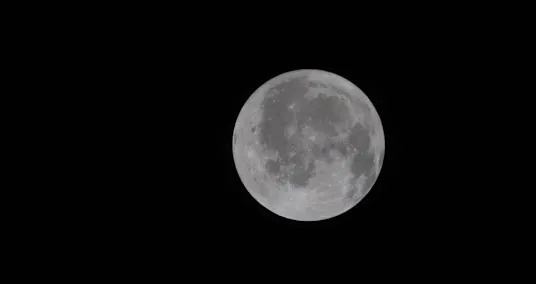
The moon won’t interfere with this year’s Geminid show, as it will be only around 26% illuminated when it rises.
Meteor showers occur when Earth’s orbital path takes it through clouds of small rocks, dust and other bits of debris that burn up when they hit the planet’s atmosphere. Most meteor showers are caused by leftover bits of comets, but the Geminids come from remnants of an asteroid known as 3200 Phaethon.
The eye-catching colors of the Geminids — ranging from yellows to reds and even greenish hues — owe to the chemical composition of the asteroid debris.
This article was originally published on NBCNews.com
LATEST POSTS
- 1
 Progress Over Perfection: Lessons From Garment Factories Fighting Heat Stress
 - 2'Heated Rivalry' is just the tip of the iceberg. How hockey became the sexiest sport
- 3Experience Sports in Dubai: A Daredevil's Aide
- 4ISS astronauts spy airglow and dwarf galaxy | Space photo of the day for Jan. 13, 2026
- 5Artemis II shares new lunar images while more than halfway to the moon



- First Houthi launch toward Israel since war began triggers alerts across the Negev
- What to know as New York City nurses strike for a 3rd day
- 10 Hints and Deceives to Expand Cell Phone Information Use: Capitalize on Your Information
- 74 suicide warnings and 243 mentions of hanging: What ChatGPT said to a suicidal teen
- 'People We Meet on Vacation' is the 1st of many Emily Henry adaptations: What other books turned movies to look forward to
- Linda Hamilton, 69, says she doesn't want to 'chase longevity'
- Keep It Cool: Uncovering Famous Fridge Brands for Each Home
- Russia Establishing Long-Range Drone Bases In Belarus, Warns Ukraine
- The wolf supermoon will kick off 2026 with a celestial bang. Here's when and how to see it.